The Music of Poland
A story around traditional music in Poland is that every hour, the trumpeter of Krakow (the capital city of Poland) plays the same melody from the top of a tower in the Krakow Square. However, he abruptly stops the tune in the middle of a note and never finishes. This symbolizes the original Trumpeter of Krakow, who, long ago, from the top of the tower, saw invaders coming and he played his trumpet to warn the citizens of the invasion and to tell them to flee the city. Many citizens heard him play and managed to escape, but as the invaders rode into town, one of them shot an arrow at the trumpeter and killed him while he was playing, interrupting his song. That’s why today the trumpeter never finishes the song either, as a tribute to the trumpeter who saved the people of the city. Watch an example of the perfomance that is given in the city today;The trumpet in the tower - Kravow
Polish Instruments
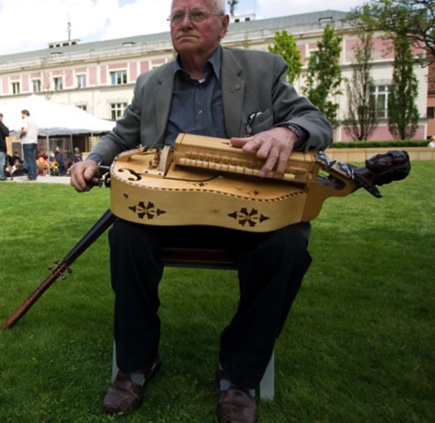
One example of a traditional polish instrument is the Hurdy - Gurdy, in Old Poland the haunting sound of this string instrument frequently accompanied the voices of vagabond singers performing for handouts. These artists, who would often play themselves, were proud of their occupation even though they were from the lowest of social classes. Many saw them as wise individuals who knew legends, prayers and magical procedures. The contemporary Polish folk group Warsaw Village Band has made some great music using this instrument, the strings of which one plays by rotating a built-in wheel with a crank.
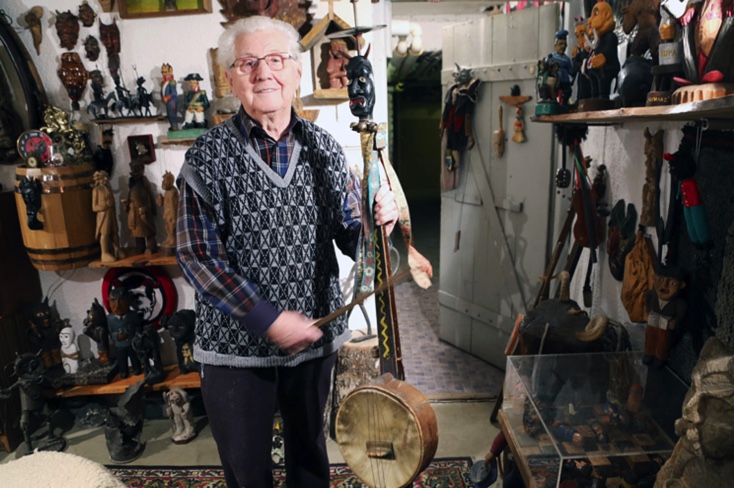
Another example of a traditional Polish instrument is the Devils Fiddle; Contrary to what the name might suggest this is a percussion instrument, a kind of fiddle you hit with a notched rod to create a rhythm. You can also knock on the floor with it for the same purpose. It comes from the Kaszuby region were it was traditionally used as a ritual instrument for scaring off devils, evil forces etc. Nowadays it is commonly seen in Kashubian folk groups. The mask in the upper part of the fiddle is typically represents a devil or a fantastic being.
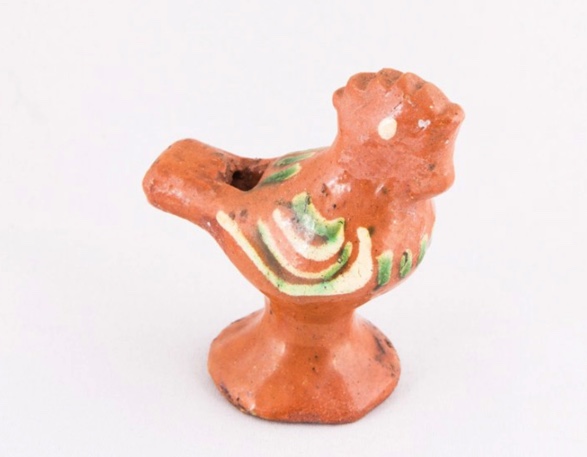
An unusal instrument with origins in Poland is the Vessle Flute; This whistle, sometimes called a vessel flute, is similar in shape to an ocarina. It is a small earthenware vessel flute which you fill with water before playing. Amazingly, it makes the exact sound of a singing bird. Whistles are often bird-shaped, and double as toys for children.
Below you can listen to examples of these Instruments;
Polish Composers
Here are some examples of Polish Composers:
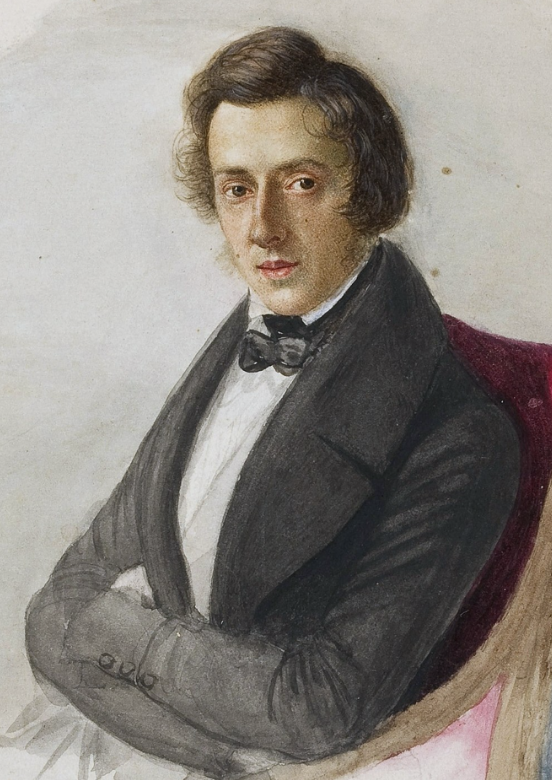
Frédéric François Chopin was a Polish composer and virtuoso pianist of the Romantic period, who wrote primarily for solo piano.As a pianist, Chopin was unique in acquiring a reputation of the highest order on the basis of a minimum of public appearances.He was the most famous composer of Polish origin in the history of Western concert music. He was a progressive who revolutionized the use of harmony and texture.
A more modern example of Polish composition is Zbigniew Preisner is a Polish film score composer, best known for his work with film director Krzysztof Kieślowski. He is the recipient of the Gold Medal for Merit to Culture. He is also a member of the French film Academy.Never having received formal music lessons, he taught himself about music by listening and transcribing parts from records.
Frédéric Chopin
Zbigniew Preisner
Listen to "The best of Chopin"